
What is Apitoxin?
Apitoxin, commonly known as bee venom, is a complex biological substance produced by honeybees (Apis mellifera) as part of their natural defense mechanism. Although best known for causing the pain associated with bee stings, apitoxin contains a diverse mixture of peptides, enzymes, and bioactive compounds that have attracted significant scientific interest.
Modern analytical studies have identified dozens of components within bee venom, including melittin, phospholipase A2, apamin, and adolapin. These molecules interact with biological systems in unique ways, making apitoxin a subject of ongoing research in biotechnology, cosmetics, immunology, and pharmaceutical development.
Today, researchers study bee venom not simply as a natural product, but as a source of biologically active compounds that may help advance our understanding of cellular processes, drug delivery systems, and peptide-based technologies.
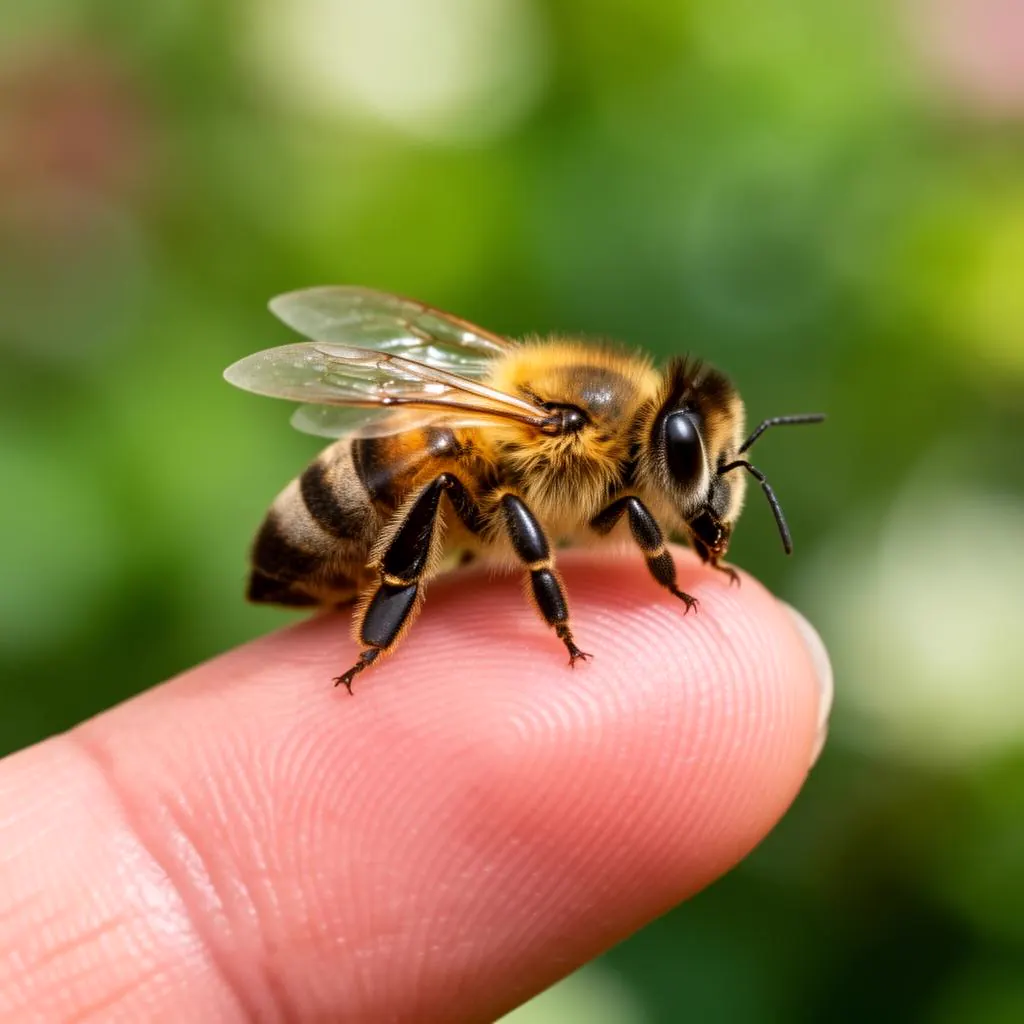
Inside Bee Venom
Bee venom is a highly complex biological substance composed of peptides, enzymes, amino acids, and other bioactive compounds. While dozens of molecules have been identified, a small number of key components account for much of the scientific interest surrounding apitoxin.
40–60% of dry bee venom
Melittin
Melittin is the principal peptide found in bee venom and the component most frequently studied by researchers. It is known for its ability to interact with cell membranes.
Research focus
Biotechnology, drug delivery, and cellular biology.
Major enzymatic component
Phospholipase A2 (PLA2)
An enzyme naturally present in bee venom that helps break down phospholipids within cell membranes.
Research focus
Immune responses and interactions with biological pathways.
Neuroactive peptide
Apamin
A small peptide that can interact with specific potassium channels in the nervous system, with unique signaling properties.
Research focus
Neuroscience and cellular signaling research.
Bioactive peptide
Adolapin
A lesser-known component of bee venom that has attracted attention for its biological activity.
Research focus
Inflammation-related pathways and cellular responses.
Immune-response related peptide
MCD Peptide
Mast Cell Degranulating peptide influences mast cells, which play an important role in immune system function.
Research focus
Immunology and allergy research.
A Complex Natural System
While individual compounds such as melittin often receive the most attention, bee venom functions as a complex mixture of interacting molecules. Researchers continue to investigate how these compounds work both independently and together, contributing to the growing scientific interest in apitoxin.
Why Scientists Study Melittin
Melittin is the primary peptide found in bee venom, typically accounting for 40–60% of its dry weight. First isolated and characterized in the mid-20th century, it has become one of the most extensively studied naturally occurring peptides due to its unique interactions with biological membranes.
Researchers are particularly interested in melittin because of its ability to bind to and disrupt cell membranes. This property has made it a valuable tool in studies involving cellular biology, membrane dynamics, drug delivery systems, and peptide-based technologies.
Today, melittin is investigated across a wide range of scientific disciplines, from biotechnology and immunology to nanomedicine and pharmaceutical research.
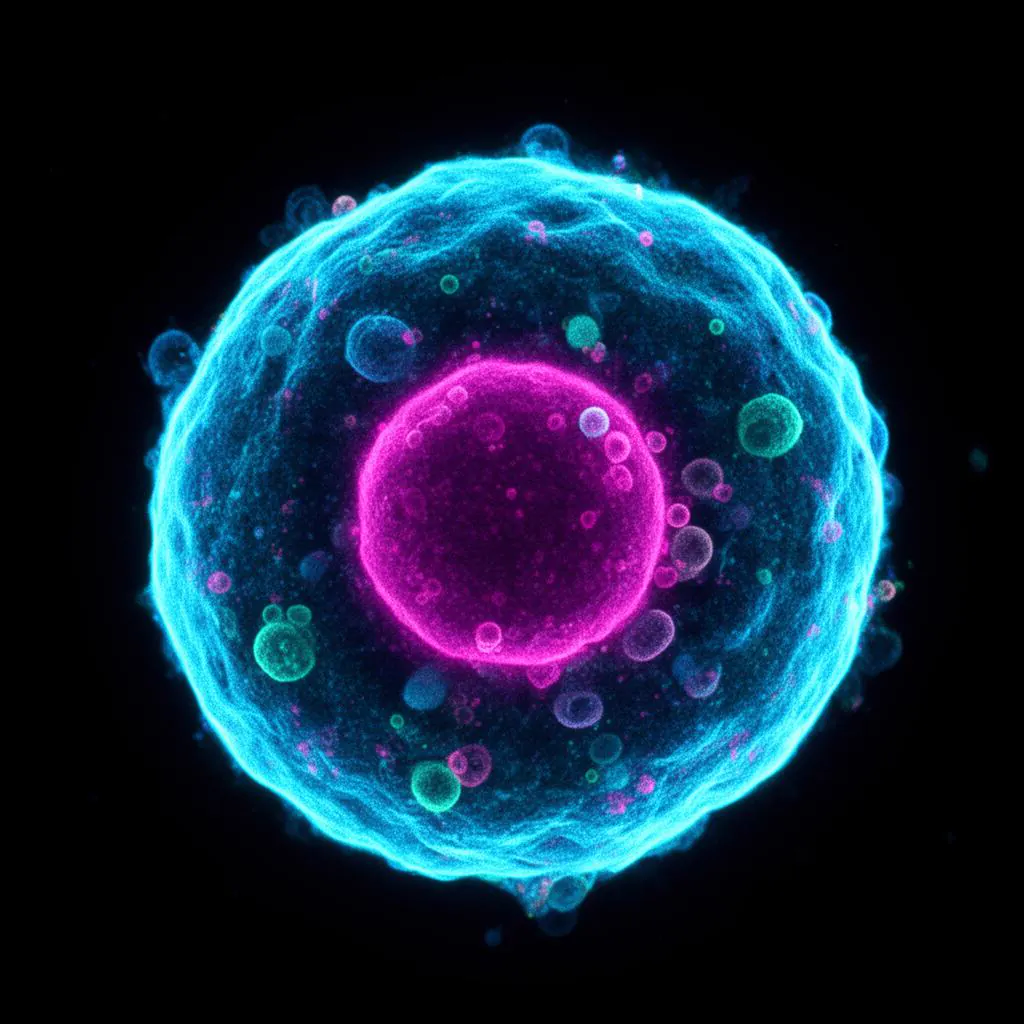
Membrane dynamics
Cell Membrane Interactions
One of melittin's defining characteristics is its ability to insert itself into lipid membranes. Scientists use melittin as a model peptide to better understand how molecules interact with cell surfaces, transport materials across membranes, and influence cellular behavior.
This membrane activity is one of the reasons melittin has become a focus of biomedical research.
Oncology research
Cancer Research
Melittin has received significant attention in oncology research due to laboratory studies demonstrating its ability to disrupt cancer cell membranes and interfere with cellular signaling pathways.
A notable 2020 study published in the journal NPJ Precision Oncology reported that melittin rapidly destroyed certain aggressive breast cancer cells in laboratory experiments and reduced tumor growth in animal models when combined with existing therapies. Researchers continue to investigate these findings and explore potential therapeutic applications.
Nanomedicine
Drug Delivery & Nanotechnology
One challenge with melittin is that its membrane-disrupting properties are not selective enough for direct therapeutic use.
To address this, researchers are exploring nanoparticle and targeted-delivery systems designed to transport melittin specifically to desired tissues while limiting effects on healthy cells.
This area of research has become one of the fastest-growing fields involving bee venom-derived compounds.
Immunology
Immunology Research
Scientists also study melittin for its effects on immune signaling pathways and inflammatory responses. Ongoing research seeks to better understand how the peptide interacts with cells involved in immune regulation and tissue responses.
Why Melittin Matters
Despite decades of study, melittin continues to be one of the most researched peptides in nature. Its unique biological properties make it a valuable subject for investigations into cellular mechanisms, advanced drug delivery systems, and next-generation biotechnology applications.
As research advances, melittin remains at the center of scientific interest in bee venom and apitoxin-derived compounds.
Important: These findings represent laboratory and preclinical research and should not be interpreted as established medical treatments.